Eggs and Dairy: Complete Protein Foods Explained
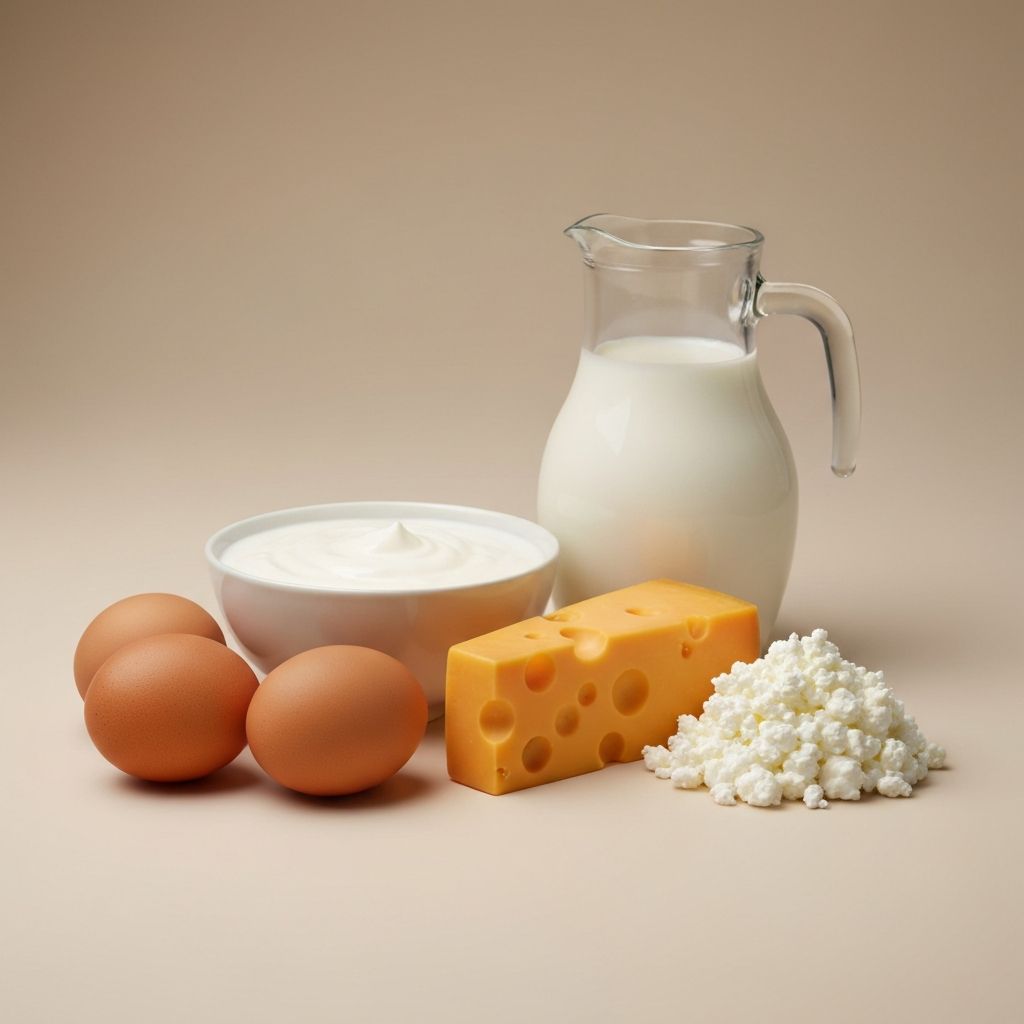
Eggs and dairy products represent complete protein sources with distinctive amino acid profiles, exceptional bioavailability, and historical significance in human nutrition across diverse cultures. These foods demonstrate DIAAS scores approaching or exceeding reference standards, indicating superior protein quality metrics.
Egg Protein as a Quality Reference
Eggs serve as the reference standard for protein quality assessment in nutritional science. A medium egg (approximately 50 grams) contains 6 grams of protein distributed between yolk and white. Egg white comprises 90% water and 10% protein with minimal fat, while egg yolk contains lipids and fat-soluble vitamins alongside protein. The complete amino acid profile of eggs includes all nine essential amino acids in proportions exceeding human requirements. The biological value of egg protein—measuring amino acid retention in human tissues after absorption—reaches approximately 97%, representing exceptional efficiency in utilization.
| Egg Component | Protein (per egg) | DIAAS Score | Biological Value |
|---|---|---|---|
| Whole Egg | 6g | 1.0 | 97% |
| Egg White only | 3.6g | 1.0 | 96% |
| Egg Yolk only | 2.4g | 0.95 | 89% |
Dairy Protein Components
Milk contains two primary protein types: casein and whey. Casein comprises approximately 80% of milk protein and forms a curd precipitate in acidic conditions, slowing gastric emptying and providing sustained amino acid availability. Whey represents the remaining 20% and remains soluble across broader pH ranges, facilitating rapid intestinal absorption. Both protein types contain complete amino acid profiles with high DIAAS scores. Greek yogurt demonstrates elevated protein density through concentration of milk solids, typically providing 10-17 grams of protein per 100 grams depending on fat content. Cottage cheese similarly concentrates milk protein, delivering 12 grams per 100 grams.
| Dairy Product | Protein (g/100g) | Primary Casein/Whey | DIAAS Score |
|---|---|---|---|
| Milk (3.7% fat) | 3.2 | 80% casein, 20% whey | 1.0 |
| Greek Yogurt (plain) | 10 | Concentrated casein/whey | 1.0 |
| Cottage Cheese | 12 | Casein + whey | 0.98 |
| Cheddar Cheese | 23 | Concentrated casein | 1.0 |
| Mozzarella Cheese | 28 | Concentrated casein | 1.0 |
Amino Acid Profiles and DIAAS Metrics
Both eggs and dairy demonstrate complete amino acid profiles with particularly elevated concentrations of sulfur-containing amino acids (methionine and cysteine) and branched-chain amino acids (leucine, isoleucine, valine). DIAAS scores for eggs and dairy products approach 1.0, indicating digestibility at or exceeding reference standards. These exceptional DIAAS scores reflect the animal source origin and minimal antinutrient content, facilitating rapid and nearly complete intestinal absorption and amino acid utilization.
Bioavailability and Absorption Mechanisms
Eggs and dairy proteins utilize distinct absorption mechanisms depending on casein versus whey type and food matrix. Whey proteins rapidly reach the small intestine and undergo swift absorption, elevating blood amino acids within 30-60 minutes of consumption. Casein proteins undergo slower gastric transit and intestinal absorption, providing sustained amino acid availability over 2-4 hours. This distinction means that egg meals combining casein and whey, along with dairy products providing either casein or whey, generate different postabsorptive amino acid kinetics suited to varied physiological contexts.
Processing and Protein Structure
Heat processing of dairy during milk pasteurization, yogurt production, and cheese making denatures some native protein structures while potentially enhancing digestibility. Fermentation processes in yogurt production generate smaller peptides and free amino acids through bacterial enzyme action, potentially improving amino acid absorption and reducing digestive discomfort. Cheese production through coagulation concentrates milk proteins substantially, creating protein-dense foods from relatively dilute milk proteins through removal of whey and water.
Educational Context
This article presents nutritional data for informational purposes. Individual protein requirements and dietary suitability for eggs and dairy vary based on age, lactose tolerance, allergies, and personal preference. Dietary decisions reflect individual circumstances and preferences.